Kim Jong Il’s Death: A Look Back at the End of an Era
Kim Jong Il’s Death: A Look Back at the End of an Era
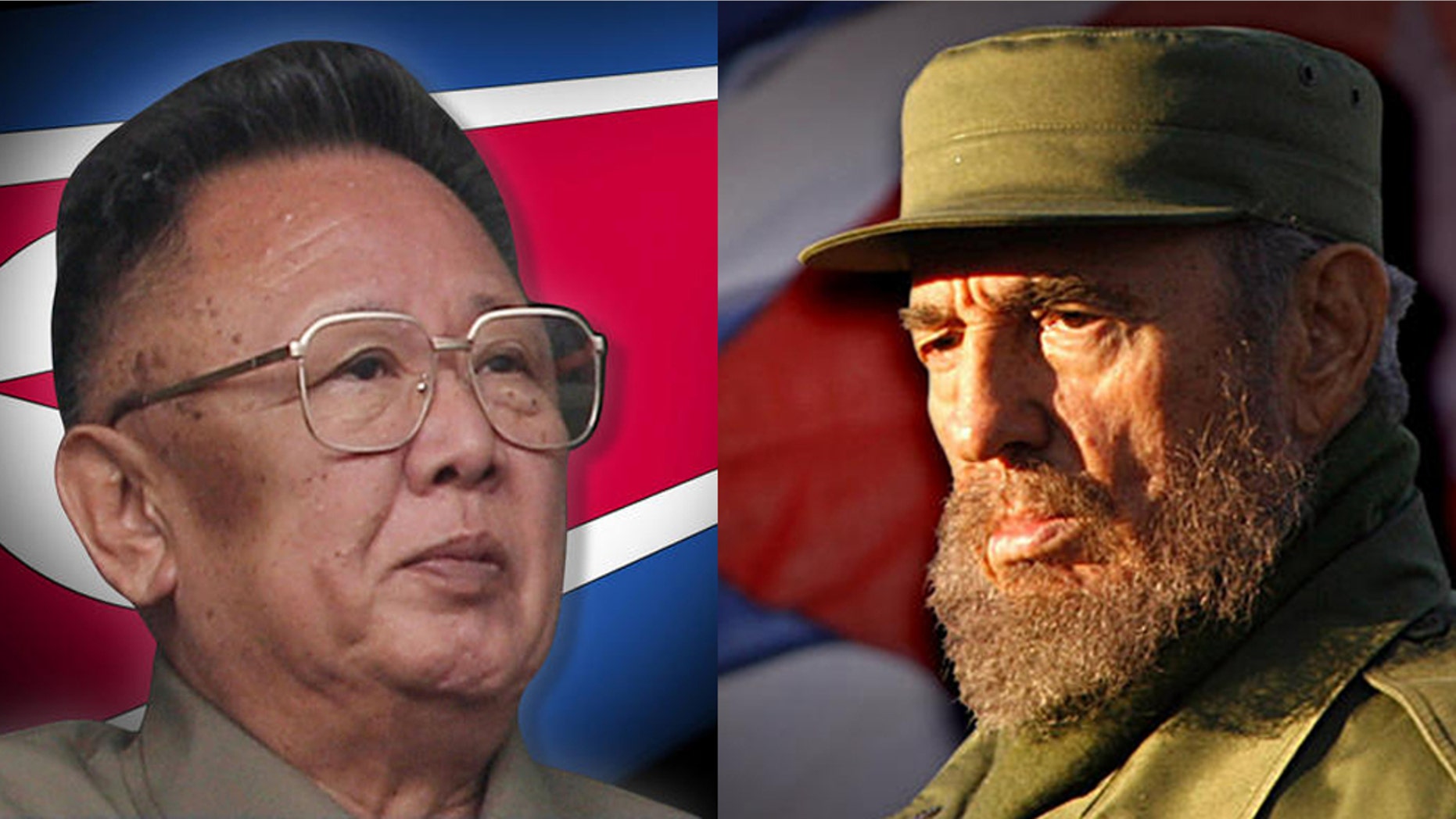
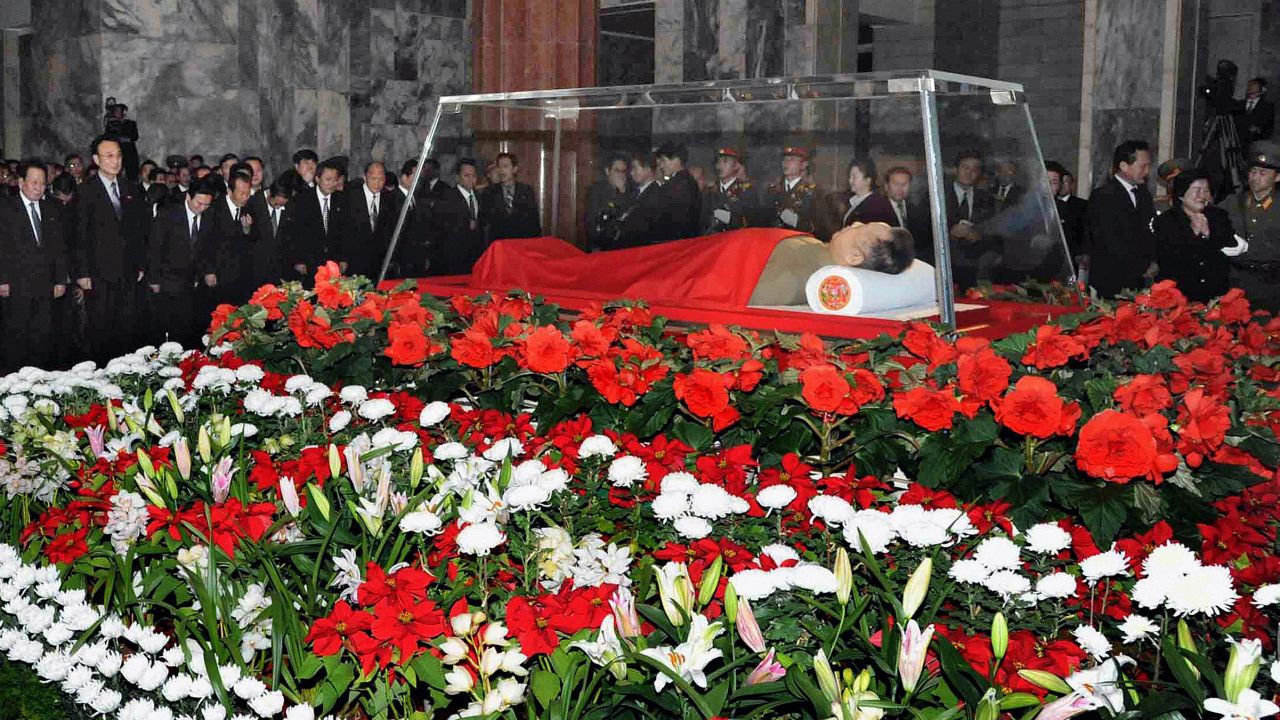
Kim Jong Il, the second chairman of North Korea and architect of its isolationist, authoritarian regime, died by dying on December 17, 2011, marking the definitive end of a regime that shaped the Korean Peninsula’s political landscape for decades. His death triggered a carefully orchestrated succession: his son, Kim Jong Un, took the reins, ensuring the Kim dynasty’s continuity. As global headlines shifted from uncertainty to cautious analysis, the moment represented not just the passing of a leader but the transfer of absolute power in one of the world’s most enigmatic and repressive states.
This article examines the life, rule, and legacy of Kim Jong Il through the lens of his final years and death, exploring how his tenure defined North Korea’s trajectory and the implications for its people and neighbors. ### The Life That Forged a Dynasty Born on February 12, 1941 (officially recognized by North Korea), Kim Jong Il was groomed from early childhood as his father Kim Il Sung’s heir. Unlike many nominal successors, his rise was deliberate and methodical.
Educated in ideological studies and military doctrine—though details of his formal schooling remain tightly controlled—he absorbed the Juche philosophy of self-reliance and cultivated loyalty within elite party and military circles. By the 1980s, he held key positions, including head of special operations and the Workers’ Party’s propaganda apparatus, long before his public emergence. His early rule was defined by attempts to maintain ideological purity amid economic stagnation and the collapse of Soviet support.
“Kim Jong Il’s leadership was not about revolution but preservation,” noted political analyst Victor Cha. “He inherited a system rarely challenged—and ensured its defenses hardened.” He became explicitly chairman in 1994, following his father’s death, and oversaw North Korea during some of its darkest periods: the devastating famine of the 1990s, during which an estimated 1–3 million people perished. His regime responded with strict control rather than aid, prioritizing elite stability over mass suffering.
Cameras rarely showed the famine’s full toll, images of it circulated only after international pressure forced limited transparency. ### Governance Through Control and Cult of Personality Kim Jong Il’s rule was marked by rigid centralization. Power flowed from the Concrete State—a system built on personality cult, ideological indoctrination, and coercive governance.
Under his leadership: - The military was elevated to a “byungjin” (songun) priority, receiving disproportionate resources over civilian welfare. - Foreign engagement remained minimal and instrumental—brief summits with Japan and South Korea punctuated decades of isolation and brinkmanship. - Media and education were fully weaponized to reinforce his deification,


Related Post

Panama City Carnival 2023: A Colorful Spectacle of Culture, Music, and Joy
Paul Reubens: Peewee Herman’s Velocity Icon Dies at 70, Ends a Pub Crawl With Legacy That Endures</h2> In a twilight marked by both cinematic memory and untold facets of his life, Paul Reubens, the man behind the slobbery, eccentric, and outspoken Peewee Herman, passed away at 70. Known for redefining childhood rebellion on screen, Reubens’ death closes a chapter in American pop culture, one that blended vulgar humor with heartfelt authenticity. Once a household name from the 1980 hit film, his legacy extends far beyond the red-and-white striped shorts, now inseparable from the character who captured a generation’s cantankerous charm. <p>Born in Baltimore, Maryland, in 1952, Reubens emerged not just as an actor but as a performer unafraid of pushing boundaries. His embodiment of Peewee Herman—a defiant, snarly-haired antihero—blended physical comedy with sharp, streetwise dialogue that struck a chord with audiences hungry for authenticity. The Peewee Herman series, though commercially successful, often overshadowed Reubens’ broader artistic range. Few realize he appeared in Broadway plays, voice acting, and even avant-garde theater, proving his talents extended well beyond children’s television. As *Chicago Sun-Times* noted in its obituary, “Reubens was more than a child star—he was a performer who leveraged innocence into subversion.” <h3>A Career Built on Risk and Voice</h3> Reubens’ early career was defined by bold choices. Before Peewee, he starred in off-Broadway productions such as *The Spook Who Sat by the Door*, where his dramatic range simmered beneath the surface, hinting at complexity beneath the goof. With Peewee Herman, launched in 1985, he abandoned subtlety entirely: “Make them laugh, make them weird, make them remember,” Reubens once said, capturing the essence of his performative philosophy. The character’s signature voice—raspy, gravelly, dripping with sass—became iconic, a vocal signature recognized by millions. <p>The 1980s explosion of Peewee Herman’s films turned Reubens into a curious cultural paradox: a serious actor whose most beloved role was pure absurdity. Yet, in interviews, he insisted his performance was deliberate—a nuanced portrait of teenage defiance. “I didn’t play a cartoon character,” he explained. “I played a version of me—rough around the edges, protective of friends, screwed up, but loyal.” This authenticity resonated in an era increasingly skeptical of artificial corporate branding, making Peewee’s appeal timeless. <h2>Personal Life and Shadows Beyond the Spotlight</h2> Beyond the screen, Reubens navigated a life marked by both acclaim and private complexity. Always a confessed fan of rock ’n’ roll and jazz, his persona extended into music and visual art, though these pursuits rarely entered mainstream discourse. He resided in New York’s Greenwich Village, a neighborhood steeped in artistic tradition, maintaining long-standing friendships with peers across disciplines. <p>Despite the glare of fame, Reubens valued privacy fiercely. The Velvet Crimeoclub — a performance space and cultural hub — served as a sanctuary where he entertained trusted artists and writers. In rare public appearances, he spoke candidly of battling creative stagnation and the weight of typecasting, once remarking, “People remember the mask, not the man.” Such reflections humanized the performer, revealing layers beneath the red-and-white attire. <h3>Leadership, Mentorship, and the Legacy of Peewee</h3> Reubens’ influence reached beyond performance into mentorship. He supported emerging artists through workshops and collaborative projects, particularly those exploring boundary-pushing storytelling. The Peewee Herman Archive, now studied in theater programs, illustrates how he transformed personal quirks into universal themes of identity and belonging. <p>The character became a cultural touchstone, symbolizing youthful rebellion and resilience, but Reubens resisted reducing himself to a symbol. “Herman isn’t me,” he clarified in *Sun-Times* features, “he’s a story I inherited—and a story I continue telling, oddly enough, decades later.” This duality—public icon, private craftsman—defined his enduring presence. <h2>Enduring Impact: Why Peewee Herman Still Slaps the Nerve</h2> Even after the curtain fell, Peewee Herman retains pulse in internet memes, fashion revivals, and genre homages. His snarl, “You ya ridiculous—bury me!” echoes in viral clips and social commentary. Yet Reubens’ true legacy lies not in viral fame but in the authenticity he brought to every role. <p>Critics and fans alike praised his ability to fuse humor with emotional truth. As theater historian Dr. Elena Park observed, “Reubens taught audiences that vulnerability and absurdity coexist. He made slobberness feel sincere.” Whether in a Intervals show, a Broadway curtain call, or a private art session, Paul Reubens remained fundamentally creative—too often typecast, never fully understood. <h1>Paul Reubens, Peewee Herman’s Velocity Icon Dies at 70 — Ends a Velocity Legacy That Never Grew Old

5th Shotsfired Incident Sparks Lancaster Police Investigation Amid Rising Community Tensions

PBOs Unveiled: How Private Benefit Organizations Power Community and Social Innovation


